🌿 Cinnamon
Zimt
Cinnamomum verum J. Presl ; Cinnamomum cassia
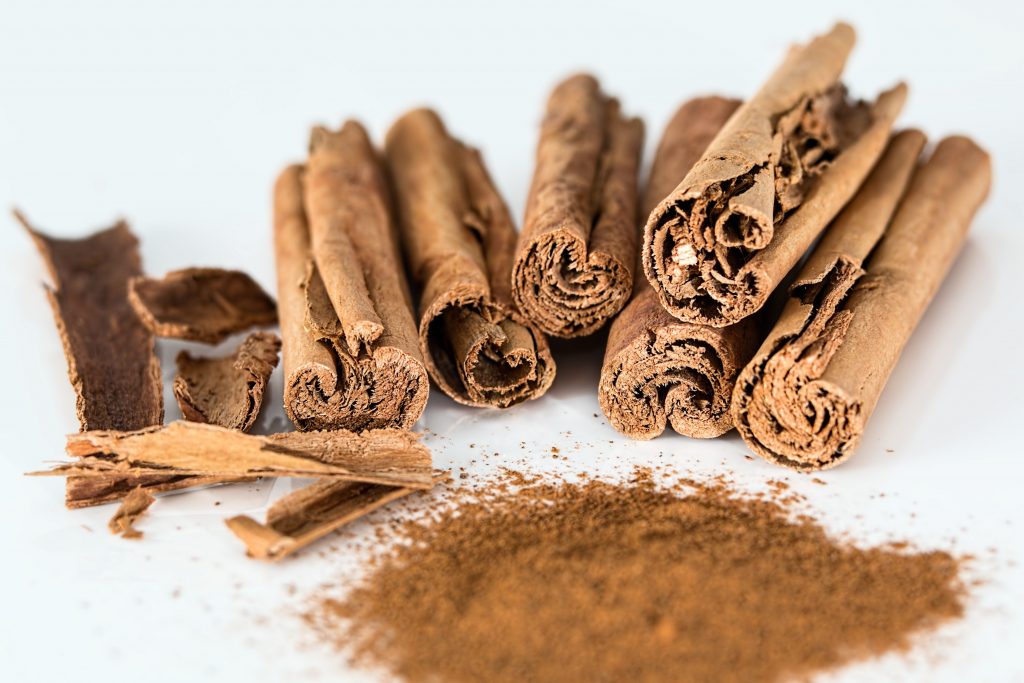
Cinnamon is an aromatic spice and traditional medicinal plant in which the bark is used. The best-known types are Ceylon cinnamon (Cinnamomum verum) and cassia cinnamon (Cinnamomum cassia). Their chemical compositions differ considerably.
Important constituents include cinnamaldehyde, eugenol, polyphenols and other essential-oil compounds. Cinnamon has antioxidant, antimicrobial and inflammation-modulating properties. Traditionally, it has mainly been used to support digestion and for flatulence and mild spasmodic gastrointestinal complaints.
Cinnamon has been extensively studied in relation to blood glucose and lipid metabolism.
Important constituents include cinnamaldehyde, eugenol, polyphenols and other essential-oil compounds. Cinnamon has antioxidant, antimicrobial and inflammation-modulating properties. Traditionally, it has mainly been used to support digestion and for flatulence and mild spasmodic gastrointestinal complaints.
Cinnamon has been extensively studied in relation to blood glucose and lipid metabolism.
Notes
Cinnamon is generally well tolerated when used in normal culinary amounts. For therapeutic use, however, the type of cinnamon is particularly important.
Ceylon cinnamon contains only very small amounts of coumarin. Cassia cinnamon, by contrast, can contain considerably higher amounts. Regular consumption of large quantities of cassia cinnamon may therefore be problematic, particularly in people with existing liver disease.
Ceylon cinnamon contains only very small amounts of coumarin. Cassia cinnamon, by contrast, can contain considerably higher amounts. Regular consumption of large quantities of cassia cinnamon may therefore be problematic, particularly in people with existing liver disease.
Effects
- digestive
- triglyceride-lowering
- antispasmodic
- anti-inflammatory
- cholesterol-lowering
- supportive of healthy blood glucose
- antioxidant
- antimicrobial
Conditions
- insulin resistance
- digestive complaints
- oxidative stress
- stomach complaints
- elevated triglycerides
- elevated LDL cholesterol
- elevated blood glucose
- inflammatory processes
- bloating
Application Areas
- cells
- digestion
- metabolism
- gastrointestinal system
- cardiovascular system
- lipid metabolism
- blood glucose regulation
Plant Parts
- oil
- essential oil
- bark
- leaf
Preparations
- essential oil
- tincture
- tea
- raw
- powder
- dried
- extract
- infusion
Contraindications
- pregnancy
- gastrointestinal sensitivity
- liver disease
- allergy