🌿 Black cumin
Schwarzkümmel
Nigella sativa L.
Black cumin (Nigella sativa L.) is an annual herbaceous plant belonging to the buttercup family (Ranunculaceae). It originated in Western Asia and the eastern Mediterranean region and is now cultivated in many warm climates.
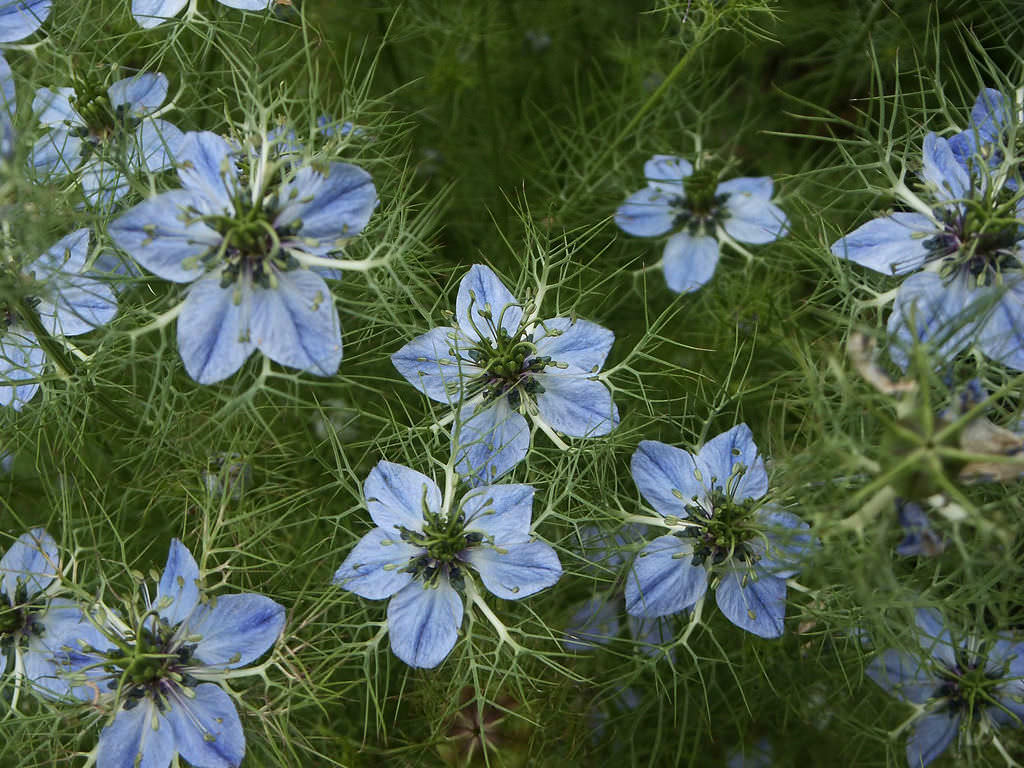
The plant has finely divided leaves, pale flowers and distinctive seed capsules containing numerous small black seeds. These seeds have been used for thousands of years as a spice and in traditional herbal medicine.
Black cumin seeds contain fixed oil rich in unsaturated fatty acids, volatile oil constituents and various secondary plant compounds. Thymoquinone is particularly well known and is being investigated for its antioxidant and anti-inflammatory properties.
Traditionally, black cumin has been used for digestive complaints, bloating, respiratory symptoms and skin problems. Scientific studies have investigated possible effects on inflammatory processes, blood glucose and lipid metabolism. However, the available evidence does not justify using black cumin as a substitute for established medical treatment.
Notes
The mature black seeds and the oil extracted from them are the main parts used. Seeds are generally harvested between July and September.
In traditional herbal medicine, black cumin is mentioned for asthma, bronchitis, digestive complaints, bloating and various skin conditions. Historical sources also describe its use for liver and gallbladder complaints and fungal skin infections.
These traditional uses should not be confused with clinically established therapeutic effectiveness. Fungal infections, asthma and liver disorders in particular require appropriate medical diagnosis and treatment.
Black cumin oil may cause allergic skin reactions or contact dermatitis in sensitive individuals. Concentrated preparations may also affect blood glucose or blood pressure, requiring caution when relevant medicines are taken.
High-dose medicinal preparations should not be used during pregnancy or breastfeeding without medical advice because adequate safety data are lacking. Normal culinary use of the seeds should be distinguished from medicinal dosing.
Effects
- stimulating
- anthelmintic
- digestive
- diaphoretic
- galactagogue
- menstruation-promoting
- diuretic
- choleretic
- anti-inflammatory
- blood-glucose-lowering
- blood-pressure-lowering
- antiseptic
- antioxidant
- antifungal
- antibacterial
Conditions
- anal itching
- Nasal congestion
- intestinal worms
- digestive complaints
- psoriasis
- Renal colic
- atopic dermatitis
- stomach cramps
- stomach complaints
- Liver disorders
- cramps
- colic
- whooping cough
- Fungal skin infection
- jaundice
- gallstones
- biliary insufficiency
- eczema
- diarrhoea
- bronchitis
- bloating
- asthma
- allergies
- acne
Application Areas
- respiratory system
- digestion
- gastrointestinal system
- liver and natural detoxification processes
- immune system
- skin
- lipid metabolism
- bronchi
- blood glucose regulation
Plant Parts
- seeds
- oil
Preparations
- ground
- oil
- tea
- raw
- dried
Contraindications
- allergy
- breastfeeding
- pregnancy