🌿 Turmeric
Kurkuma
Curcuma longa L.
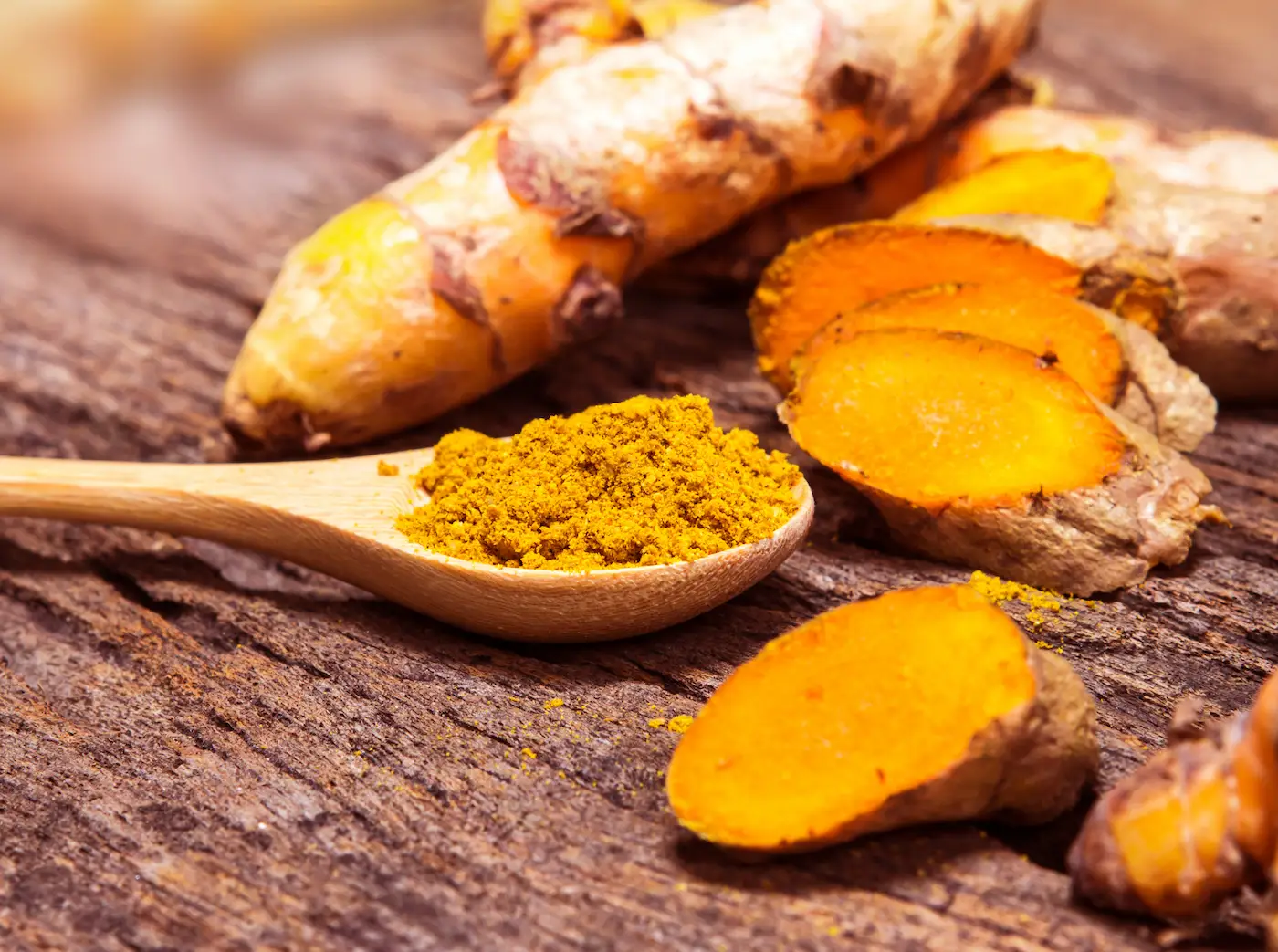
Turmeric is a perennial herb belonging to the ginger family (Zingiberaceae). The main part used is the underground rhizome, which is characterised by its intense yellow-orange colour and is widely used as a spice and natural colouring agent.
The rhizome contains essential oil and characteristic curcuminoids, particularly curcumin. These plant compounds have been extensively investigated for antioxidant, anti-inflammatory, antimicrobial, hepatoprotective, metabolic and other biological activities. Turmeric has traditionally been used particularly for digestive complaints. In addition, extensive preclinical and clinical research has investigated its potential relevance to joint complaints, metabolism, liver health and inflammatory processes.
The rhizome contains essential oil and characteristic curcuminoids, particularly curcumin. These plant compounds have been extensively investigated for antioxidant, anti-inflammatory, antimicrobial, hepatoprotective, metabolic and other biological activities. Turmeric has traditionally been used particularly for digestive complaints. In addition, extensive preclinical and clinical research has investigated its potential relevance to joint complaints, metabolism, liver health and inflammatory processes.
Notes
Turmeric is traditionally used both as a spice and as a herbal medicinal plant. The EMA describes the traditional use of turmeric rhizome particularly for digestive complaints. Curcumin is an important, but not the only, bioactive constituent of the rhizome.
Scientific research has investigated numerous additional effects. However, the level of evidence varies considerably depending on the condition and preparation, ranging from preclinical research to clinical studies.
Scientific research has investigated numerous additional effects. However, the level of evidence varies considerably depending on the condition and preparation, ranging from preclinical research to clinical studies.
Effects
- antibacterial
- antimicrobial
- antifungal
- antioxidant
- antiviral
- apoptosis-inducing
- appetite-stimulating
- lipid-regulating
- supportive of healthy blood glucose
- cholesterol-lowering
- anti-inflammatory
- choleretic
- cardiac-supportive
- cardioprotective
- hepatoprotective
- pain-relieving
- digestive
- cytotoxic
- antiproliferative
Conditions
- arthritis
- bloating
- type 2 diabetes
- diarrhoea
- inflammatory processes
- inflammation of the mouth and throat
- elevated blood lipids
- elevated blood glucose
- elevated cholesterol levels
- elevated LDL cholesterol
- elevated triglycerides
- fatty liver
- joint complaints
- skin problems
- cardiovascular system
- insulin resistance
- minor burns
- stomach complaints
- oxidative stress
- digestive complaints
- feeling of fullness
- cellular protection
Application Areas
- gastrointestinal system
- cells
- digestion
- metabolism
- oral mucositis during radiotherapy
- mouth and throat
- general wellbeing
- blood glucose regulation
- lipid metabolism
- gallbladder
- biliary system
- joints
- skin
- cardiovascular system
- liver and natural detoxification processes
Plant Parts
- root
- essential oil
Preparations
- decoction
- oil
- essential oil
- tincture
- tea
- raw
- powder
- dried
- ground
- cooked
- steamed
- extract
- infusion
Contraindications
- allergy
- caution when taking anticoagulants, particularly warfarin
- breastfeeding
- pregnancy
- tendency to calcium oxalate kidney stones
- liver disease
- concomitant use of aspirin
- concomitant use of anticoagulants
- bile duct obstruction
- gallstones