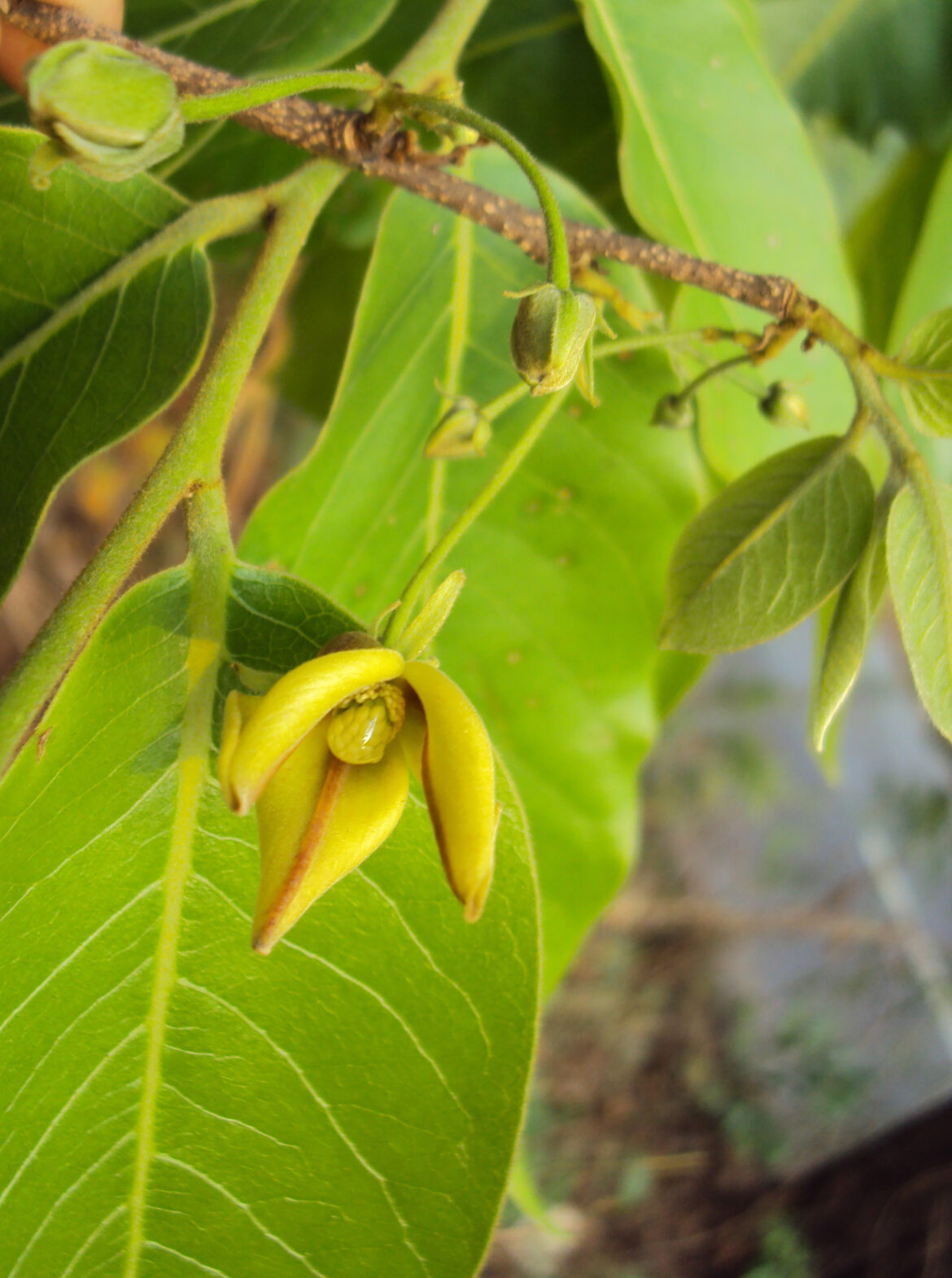
🌿 Cat's Claw
Katzenkralle
Uncaria tomentosa
Cat's claw is a woody climbing plant native to the tropical rainforests of South and Central America. Its name comes from the hook-shaped thorns that resemble cats' claws. The bark, particularly the root bark, is traditionally used. Cat's claw contains various alkaloids, polyphenols and other plant compounds and is traditionally used mainly to support the immune system and for inflammatory and rheumatic complaints. Research is investigating its potential immunomodulatory, antioxidant and anti-inflammatory properties.
Notes
Cat's claw is traditionally prepared as a tea, decoction, powder, extract or tincture from the bark. The plant is being investigated for potential immunomodulatory and anti-inflammatory properties. However, clinical evidence remains limited and does not establish a proven therapeutic effect. Cat's claw may slow blood clotting and may interact with anticoagulants, blood-pressure medicines, immunosuppressants and other drugs. Particular caution is advised in people with autoimmune diseases because immune-system activity may be increased. Cat's claw should not be used during pregnancy.
Effects
- pain-relieving
- studied for cancer prevention
- immunomodulatory
- anti-inflammatory
- antioxidant
Conditions
- cellular protection
- rheumatic complaints
- impaired immune function
- joint complaints
- inflammatory processes
Application Areas
- cells
- metabolism
- nervous system
- muscles
- immune system
- joints
Plant Parts
- root bark
- root
- bark
Preparations
- tincture
- tea
- powder
- cooked
- extract
- infusion
- decoction
Contraindications
- breastfeeding
- pregnancy
- discontinue or seek medical advice before surgery because of possible effects on blood clotting
- autoimmune diseases
- allergy