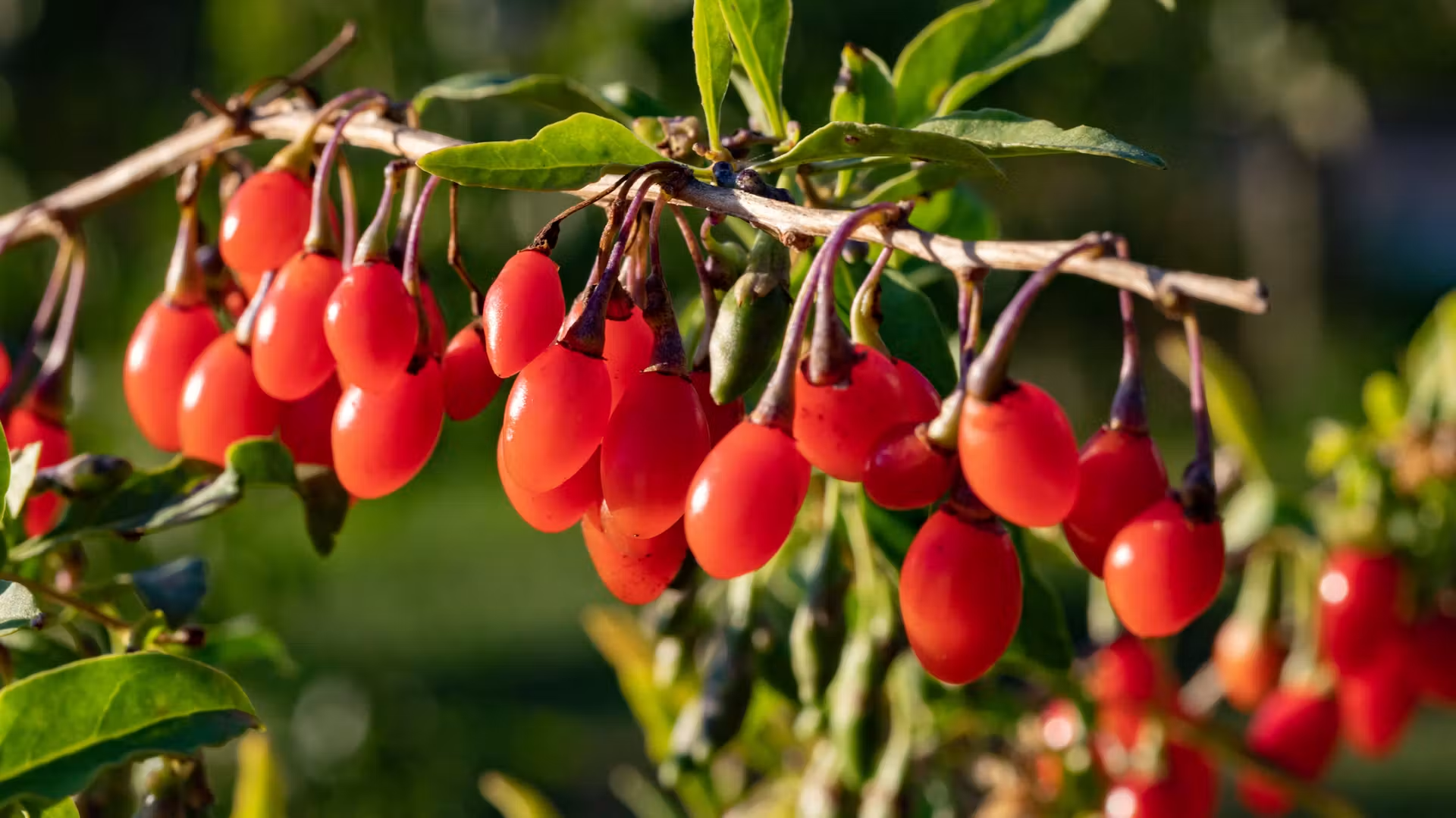
🌿 Goji Berry
Goji-Beere
Lycium barbarum
Goji berries, also known as wolfberries, are a traditional Chinese medicinal and food plant. They have been used in Traditional Chinese Medicine for centuries to support vitality and general well-being.
Active Compounds
• polysaccharides
• zeaxanthin
• lutein
• carotenoids
• anthocyanins
• polyphenols
• flavonoids
• vitamin C
• vitamin B1
• vitamin B2
• vitamin B3
• amino acids
• beta-sitosterol
• minerals and trace elements
Active Compounds
• polysaccharides
• zeaxanthin
• lutein
• carotenoids
• anthocyanins
• polyphenols
• flavonoids
• vitamin C
• vitamin B1
• vitamin B2
• vitamin B3
• amino acids
• beta-sitosterol
• minerals and trace elements
Notes
Goji berries can be eaten fresh or dried. Dried berries resemble raisins and can be used as a snack, in muesli, salads, soups, sauces, bread or desserts. Juice and tea are also used. Young leaves can be prepared as a leafy vegetable.
The berries contain vitamin C, B vitamins, minerals and trace elements as well as various amino acids. Particularly interesting are the carotenoids zeaxanthin and lutein and the characteristic polysaccharides found in goji.
For eye health, zeaxanthin and lutein are particularly interesting. These carotenoids are components of the human eye and are being investigated for their potential protective effects on the retina and optic nerve. Current research is promising, but does not establish that goji can cure eye diseases.
The immune system may be influenced by the polysaccharides contained in goji. Studies describe immunomodulatory properties, although these effects should not be equated with a general “immune boost” or guaranteed disease prevention.
Blood sugar and blood lipids: A systematic review and meta-analysis of Lycium barbarum polysaccharides found indications of beneficial changes in fasting blood glucose, triglycerides, LDL and HDL. However, the evidence is not yet sufficient to use goji as a treatment for diabetes or lipid disorders.
Antioxidant and cellular protection: Goji contains numerous antioxidant compounds. The berry is therefore particularly studied in connection with oxidative stress and age-related changes.
Cancer: Laboratory and animal studies show interesting antitumour mechanisms, including apoptosis, inhibition of cell proliferation and other signalling pathways. However, a 2026 systematic review explicitly notes that these findings remain predominantly preclinical. Goji is therefore not a substitute for cancer treatment.
The berries contain vitamin C, B vitamins, minerals and trace elements as well as various amino acids. Particularly interesting are the carotenoids zeaxanthin and lutein and the characteristic polysaccharides found in goji.
For eye health, zeaxanthin and lutein are particularly interesting. These carotenoids are components of the human eye and are being investigated for their potential protective effects on the retina and optic nerve. Current research is promising, but does not establish that goji can cure eye diseases.
The immune system may be influenced by the polysaccharides contained in goji. Studies describe immunomodulatory properties, although these effects should not be equated with a general “immune boost” or guaranteed disease prevention.
Blood sugar and blood lipids: A systematic review and meta-analysis of Lycium barbarum polysaccharides found indications of beneficial changes in fasting blood glucose, triglycerides, LDL and HDL. However, the evidence is not yet sufficient to use goji as a treatment for diabetes or lipid disorders.
Antioxidant and cellular protection: Goji contains numerous antioxidant compounds. The berry is therefore particularly studied in connection with oxidative stress and age-related changes.
Cancer: Laboratory and animal studies show interesting antitumour mechanisms, including apoptosis, inhibition of cell proliferation and other signalling pathways. However, a 2026 systematic review explicitly notes that these findings remain predominantly preclinical. Goji is therefore not a substitute for cancer treatment.
Effects
- nutrient-rich
- strengthening
- anti-inflammatory
- supportive of healthy blood glucose
- lipid-regulating
- antioxidant
Conditions
- oxidative stress
- cognitive performance
- impaired immune function
- inflammatory processes
Application Areas
- cells
- metabolism
- liver and natural detoxification processes
- immune system
- cardiovascular system
- skin
- brain
- blood glucose regulation
- eyes
Plant Parts
- root bark
- fruit
- leaf
- berries
Preparations
- raw
- powder
- dried
- freshly pressed juice
Contraindications
- caution when taking anticoagulants, particularly warfarin
- in people taking medication for diabetes or blood pressure, possible effects on glucose or blood pressure should be considered
- allergy