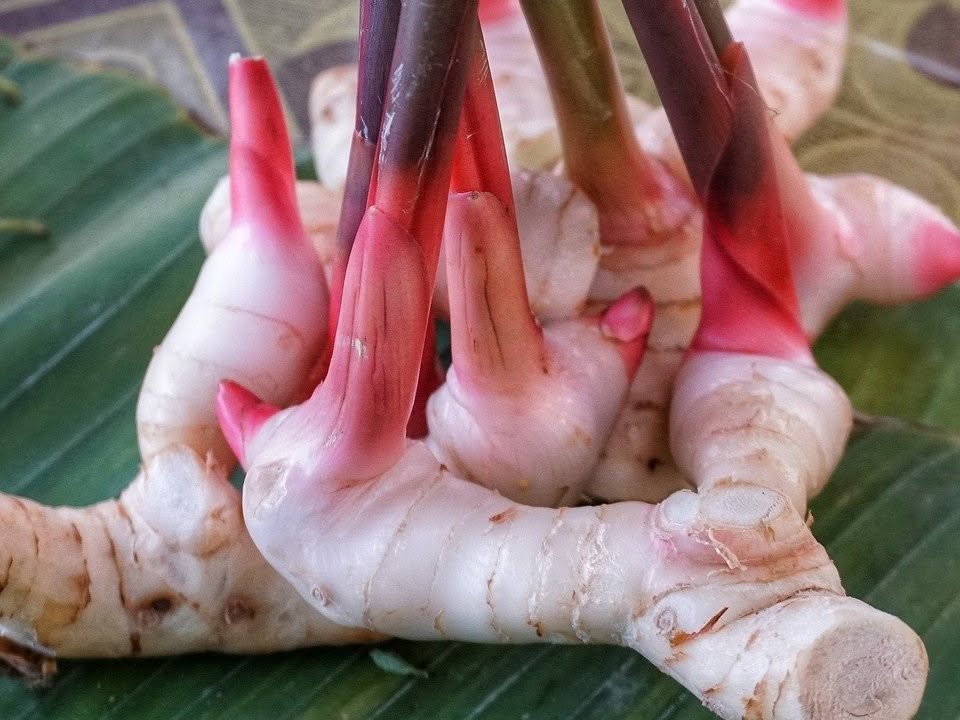
🌿 Lesser Galangal
Galgant
Alpinia officinarum Hance
Lesser galangal (Alpinia officinarum Hance) is a perennial herbaceous plant belonging to the ginger family (Zingiberaceae). Originally native to Asia, it is cultivated primarily for its aromatic underground rhizome.
The rhizome contains essential oils, pungent compounds and various phenolic plant constituents. Lesser galangal is traditionally used as a spice and in herbal medicine, particularly for digestive complaints, bloating and loss of appetite.
Experimental research has investigated the antioxidant, anti-inflammatory and antimicrobial properties of its constituents. However, clinical evidence supporting specific therapeutic effects in humans remains limited.
Notes
The principal plant part used is the fresh or dried rhizome. Botanically, a rhizome is an underground stem rather than a true root.
Lesser galangal should not be confused with greater galangal (Alpinia galanga). These are distinct botanical species with differences in their chemical composition.
Traditional use for digestive complaints should not be confused with clinically established efficacy. Medicinal use during pregnancy or breastfeeding, or alongside regular medication, should be discussed with a qualified healthcare professional.
Effects
- anti-inflammatory
- appetite-stimulating
- antioxidant
- antimicrobial
Conditions
- feeling of fullness
- digestive complaints
- bloating
- loss of appetite
Application Areas
- digestion
- gastrointestinal system
Plant Parts
- Rhizome
Preparations
- tincture
- tea
- powder
- dried
- decoction
Contraindications
- breastfeeding
- pregnancy