🌿 Woad
Färberwaid
Isatis tinctoria L.
Woad (Isatis tinctoria L.) is a biennial herbaceous plant belonging to the mustard family (Brassicaceae).
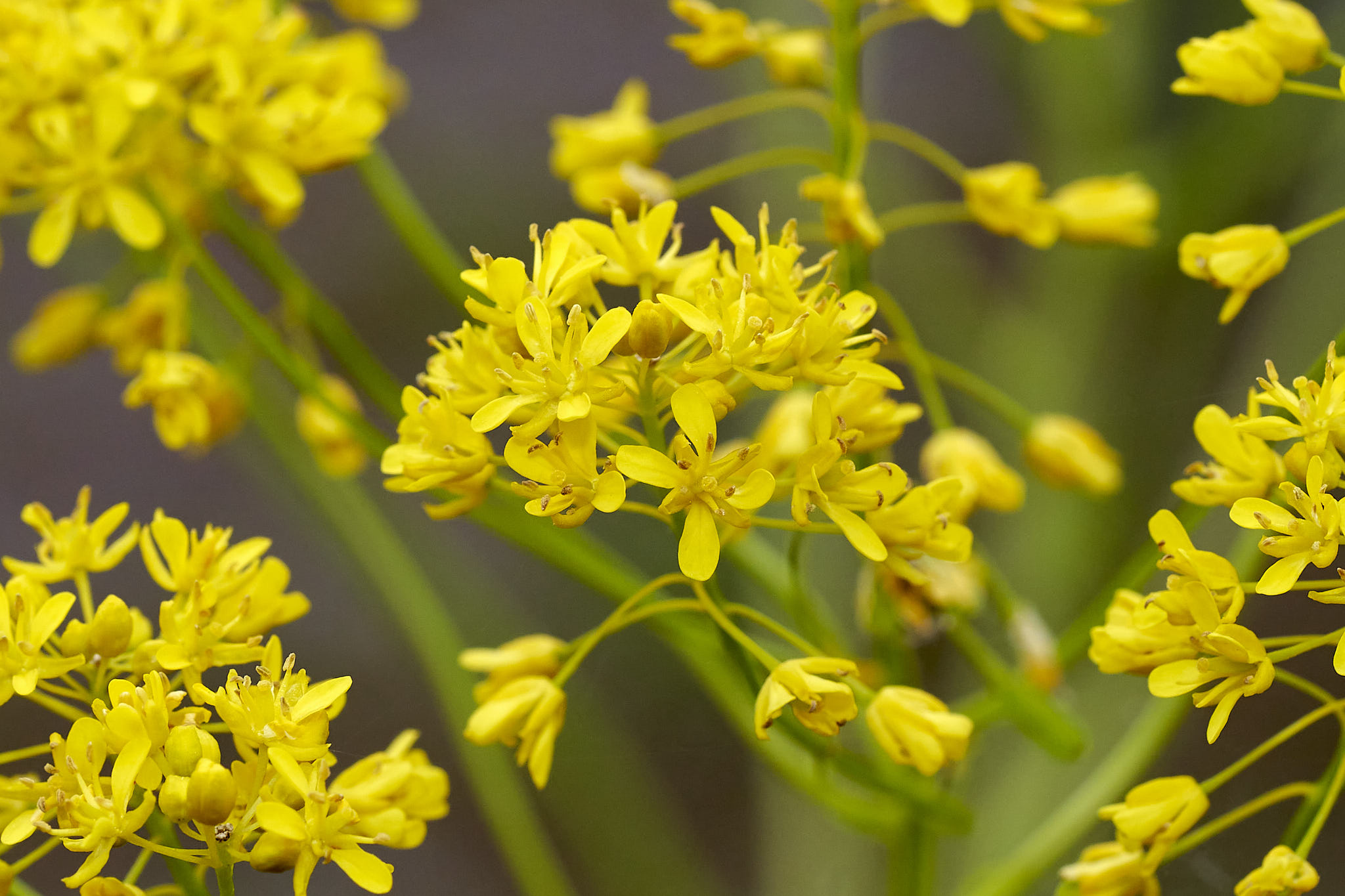
It has elongated, bluish-green leaves and small yellow flowers arranged in branched clusters. The plant is best known as a historical dye crop whose leaves were used to produce blue pigment.
Its leaves and roots have also been used in traditional herbal medicine. The plant contains indican, tannins and various other secondary plant compounds.
Historical sources describe uses for fever, inflammation, skin complaints and throat conditions. Clinical evidence supporting these applications remains insufficient.
Notes
Woad has historically been used both as a dye plant and in traditional herbal medicine. Its roots and leaves are used under different names in traditional Chinese herbal practice.
Effects
- immune-system-strengthening
- haemostatic
- antiviral
- antibiotic
- antibacterial
- astringent
Conditions
- Swelling
- psoriasis
- Mumps
- cramps
- Hepatitis
- skin inflammation
- sore throat
- ulcers
- fever
- Detoxification
Application Areas
- wound care
- mouth and throat
- liver and natural detoxification processes
- immune system
- skin
- respiratory system
Plant Parts
- root
- seeds
- leaf
Preparations
- tea
- infusion
Contraindications
- breastfeeding
- pregnancy
- allergy or hypersensitivity to cruciferous vegetables