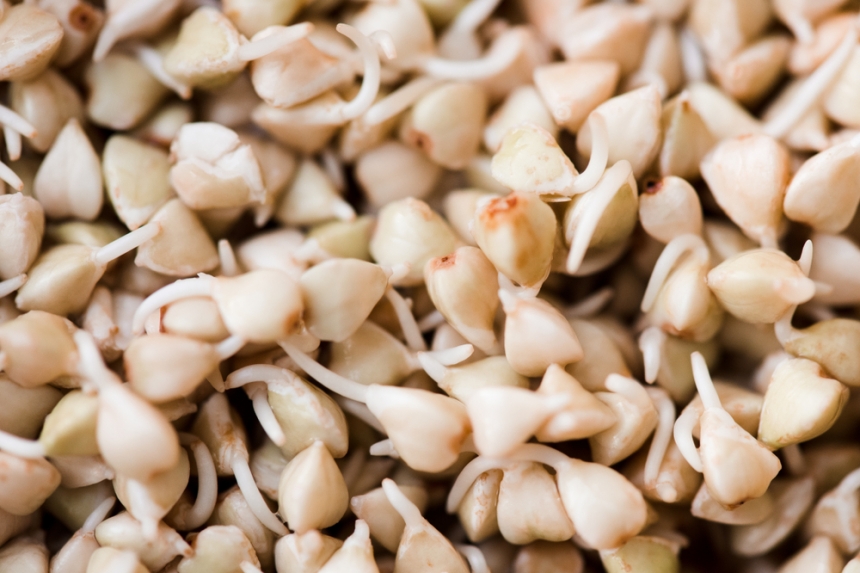
🌿 Buckwheat Sprouts
Buchweizen-Keimlinge
Fagopyrum esculentum
Buckwheat is not a grain but belongs to the knotweed family. It is naturally gluten-free and provides high-quality plant protein with a favourable amino acid profile. The sprouts are particularly interesting: germination changes the nutrient composition and the bioavailability of various compounds. Buckwheat sprouts contain rutin, quercetin, other polyphenols, minerals, B vitamins and readily available nutrients. Rutin is one of the characteristic plant compounds found in buckwheat.
Notes
Sprouted buckwheat can be eaten raw and added to salads, muesli or vegetable dishes. Germination can increase the availability or concentration of various compounds, and buckwheat sprouts are particularly rich in polyphenols and flavonoids such as rutin. Tartary buckwheat (Fagopyrum tataricum) can contain substantially higher levels of rutin than common buckwheat.
Effects
- vascular-supporting
- supportive of healthy blood glucose
- supportive of healthy blood pressure
- rich in dietary fibre
Conditions
- varicose veins
- oxidative stress
- vascular weakness
- elevated blood glucose
- elevated blood lipids
- type 2 diabetes
- high blood pressure
Application Areas
- digestion
- metabolism
- cardiovascular system
- lipid metabolism
- blood vessels
- blood glucose regulation
Plant Parts
- sprouts
- seeds
Preparations
- raw
- dried
- ground
- sprouted
Contraindications
- in people taking medication for diabetes or blood pressure, possible effects on glucose or blood pressure should be considered
- allergy