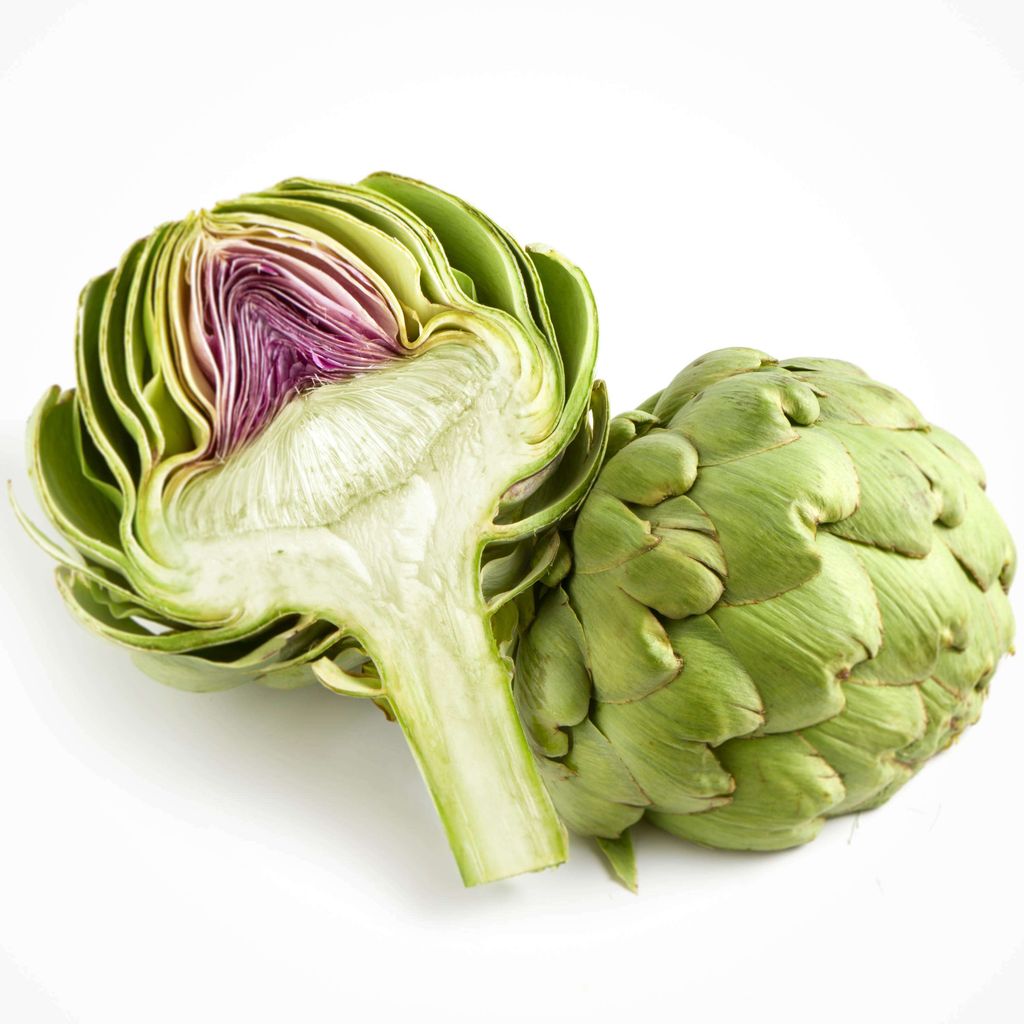
🌿 Artichoke
Artischocke
Cynara cardunculus L.
Artichoke is a traditional food and medicinal plant. For medicinal purposes, the leaves are particularly important. They contain phenolic compounds such as chlorogenic acid and cynarin, as well as flavonoids, which are thought to contribute to antioxidant, liver-supportive and bile-related effects. Traditionally, artichoke has mainly been used for digestive complaints, feelings of fullness and to support bile function. The European Medicines Agency recognises artichoke leaf as a herbal medicinal product within the field of gastrointestinal disorders.
Research describes antioxidant, hepatoprotective, choleretic and lipid-lowering properties. Artichoke leaf extracts have also been investigated clinically for cholesterol and blood lipids; a meta-analysis of nine trials involving 702 participants found significant reductions in total cholesterol, LDL cholesterol and triglycerides.
Research describes antioxidant, hepatoprotective, choleretic and lipid-lowering properties. Artichoke leaf extracts have also been investigated clinically for cholesterol and blood lipids; a meta-analysis of nine trials involving 702 participants found significant reductions in total cholesterol, LDL cholesterol and triglycerides.
Notes
Artichoke is generally well tolerated as a food. For therapeutic purposes, standardised leaf extracts, dried leaves, powders or teas are mainly used. The effects of leaf preparations should not automatically be attributed to the edible artichoke heart.
Its effects on bile flow and digestion are particularly relevant. Artichoke leaf extracts have demonstrated choleretic and antispasmodic properties and may therefore be useful for supporting dyspeptic digestive complaints.
There is also interesting evidence concerning lipid metabolism. Clinical studies and meta-analyses suggest possible reductions in total cholesterol, LDL cholesterol and triglycerides.
Its effects on bile flow and digestion are particularly relevant. Artichoke leaf extracts have demonstrated choleretic and antispasmodic properties and may therefore be useful for supporting dyspeptic digestive complaints.
There is also interesting evidence concerning lipid metabolism. Clinical studies and meta-analyses suggest possible reductions in total cholesterol, LDL cholesterol and triglycerides.
Effects
- digestive
- hepatoprotective
- LDL-lowering
- antispasmodic
- choleretic
- anti-inflammatory
- cholesterol-lowering
- antioxidant
Conditions
- cellular protection
- digestive complaints
- impaired bile function
- fatty liver
- elevated LDL cholesterol
- type 2 diabetes
- bloating
- loss of appetite
Application Areas
- digestion
- metabolism
- gastrointestinal system
- liver and natural detoxification processes
- cardiovascular system
- biliary system
- gallbladder
- lipid metabolism
Plant Parts
- root
- artichoke heart
- flower
- leaf
Preparations
- tincture
- tea
- raw
- powder
- dried
- cooked
- extract
- infusion
Contraindications
- bile duct obstruction
- gallstones
- allergy or hypersensitivity to Asteraceae