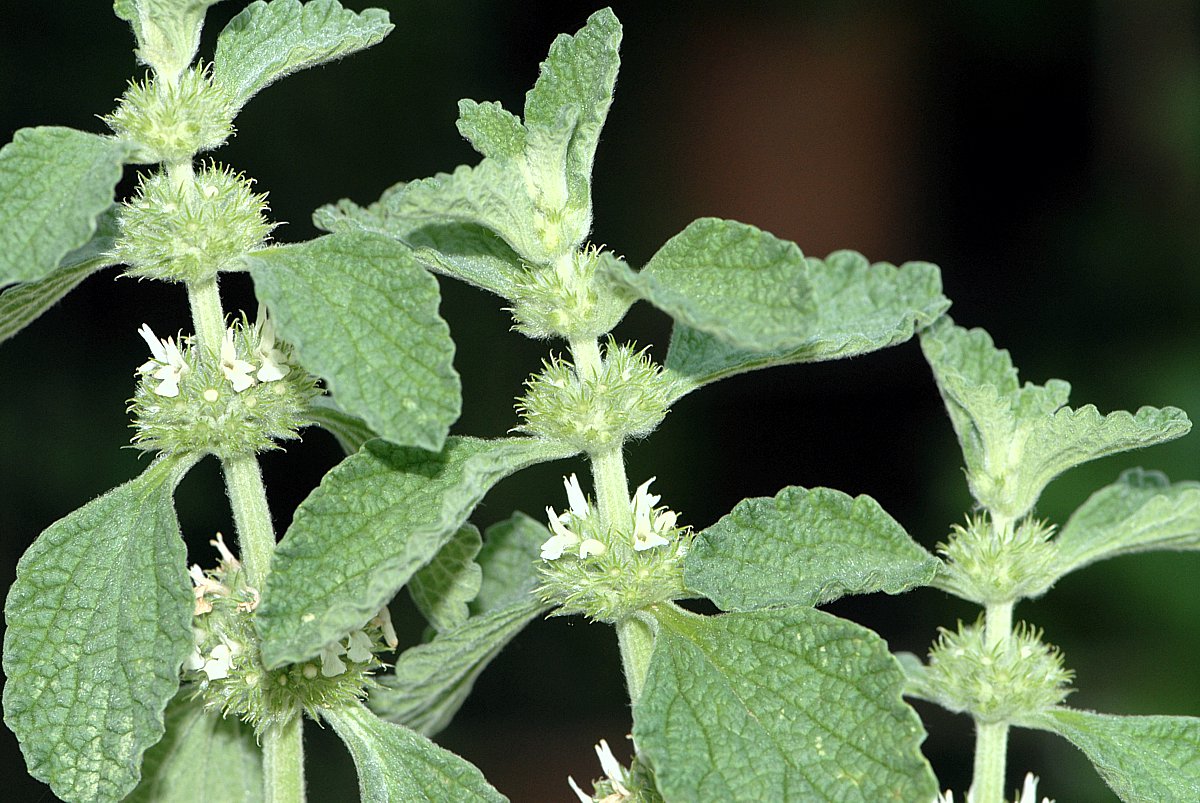
🌿 White Horehound
Andorn
Marrubium vulgare
The characteristic constituent of white horehound is the labdane diterpene marrubiin. The plant also contains numerous phenolic acids, flavonoids, volatile oils, diterpenes and other secondary metabolites. Experimental research has demonstrated antioxidant, anti-inflammatory, antimicrobial, hepatoprotective, blood-glucose- and blood-pressure-related activities.
Notes
White horehound is particularly well known as a traditional cough and bronchial herb. It has traditionally been used for productive coughs, colds and bronchial complaints.
Effects
- antibacterial
- antimicrobial
- antifungal
- antioxidant
- appetite-stimulating
- expectorant
- supportive of healthy blood pressure
- supportive of healthy blood glucose
- anti-inflammatory
- choleretic
- hepatoprotective
- expectorant
- digestive
- supportive of wound healing
- carminative
Conditions
- loss of appetite
- respiratory complaints
- bloating
- inflammatory processes
- elevated blood glucose
- impaired bile function
- cardiovascular system
- cough
- poorly healing wounds
- digestive complaints
- bronchial complaints
Application Areas
- respiratory system
- bronchi
- gallbladder
- biliary system
- skin
- cardiovascular system
- liver and natural detoxification processes
- lungs
- gastrointestinal system
- metabolism
Plant Parts
- leaf
- florets
- aerial parts
- stems
Preparations
- infusion
- extract
- freshly pressed juice
- dried
- powder
- tea
- tincture
Contraindications
- breastfeeding
- allergy or hypersensitivity to plants of the mint family
- children under 6
- pregnancy