🌿 Pheasant's eye
Adonisröschen
Adonis vernalis
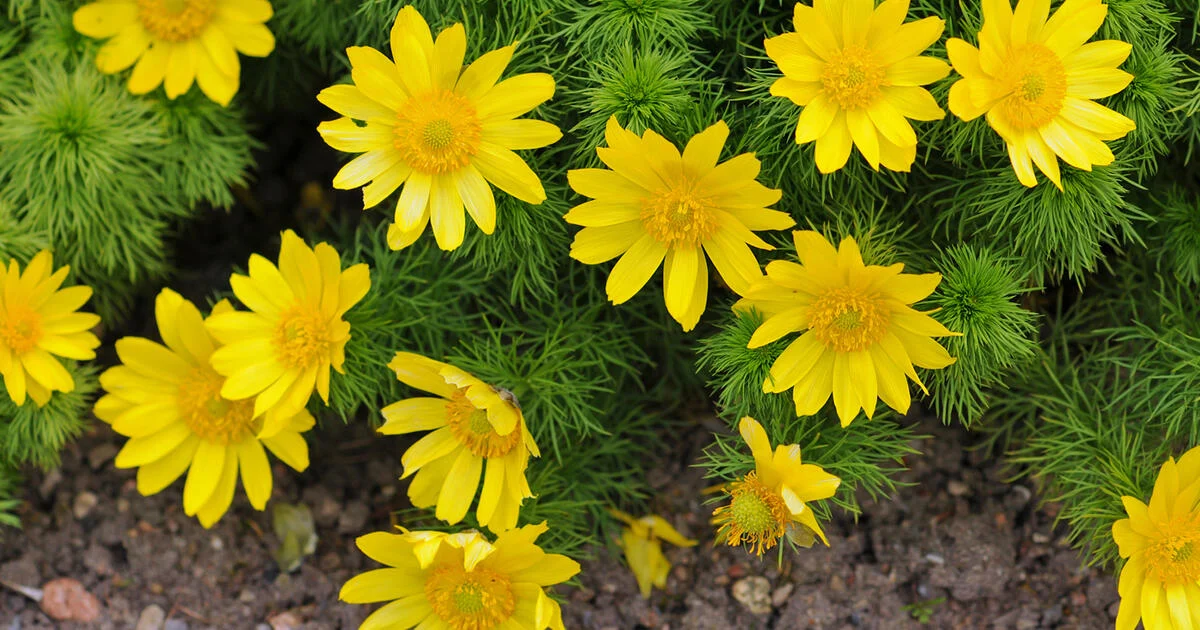
Spring pheasant's eye is a perennial medicinal plant with striking yellow flowers. It is traditionally associated with cardiac support and has been used for conditions involving reduced cardiac function. Its most pharmacologically important constituents are cardiac glycosides, including adonitoxin and cymarin. The plant also contains flavonoids, carotenoids, coumarins and other compounds. Research has described cardiotonic, diuretic, antioxidant and anti-inflammatory activities, among others.
Notes
Spring pheasant's eye has traditionally been used for cardiac weakness, circulatory complaints and fluid retention. Its cardiac glycosides influence the sodium-potassium ATPase and can affect cardiac contractility and function. The Adonis genus has a long history of use as a cardiac medicinal plant in European and Chinese traditional medicine.
Effects
- antispasmodic
- cardiotonic
- cardiac-supportive
- diuretic
- anti-inflammatory
- antioxidant
Conditions
- oedema
- rheumatic complaints
- prostate complaints
- low blood pressure
- nervousness
- menstrual complaints
- cough
- heart failure
- cardiovascular system
- fever
- respiratory complaints
- asthma
Application Areas
- cells
- fluid retention
- kidneys
- cardiovascular system
- urinary tract
- fluid balance
- epilepsy
- blood vessels
- respiratory system
Plant Parts
- aerial parts
- herb
- flower
Preparations
- tincture
- tea
- dried
- extract
- infusion
Contraindications
- breastfeeding
- pregnancy
- cardiac arrhythmias
- allergy or hypersensitivity to Ranunculaceae