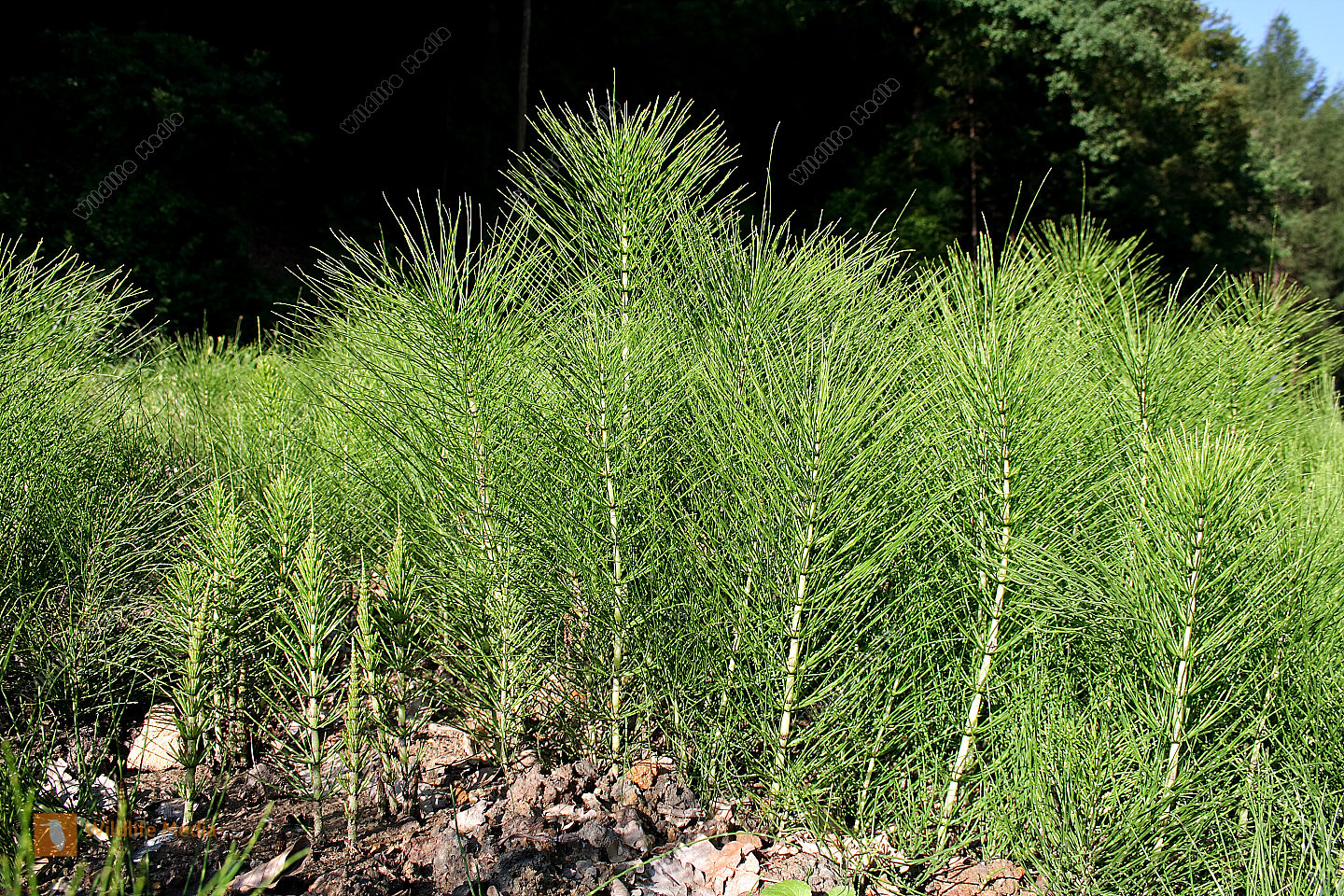
🌿 Field Horsetail
Ackerschachtelhalm
Equisetum arvense L.
Field horsetail is a perennial plant that has been used traditionally as a medicinal herb for centuries. It is particularly well known for promoting urine production and flushing the urinary tract. The European Medicines Agency recognises the traditional use of horsetail herb for minor urinary complaints to increase urine production and flush the urinary tract. Its traditional external use for superficial wounds is also recognised.
The herb contains silicic acid and silicon compounds, flavonoids, phenolic acids, saponins and minerals, particularly potassium. Its relatively high silicon content has contributed to its traditional use for supporting the skin, hair, nails and connective tissue. However, clinical evidence for these applications is considerably weaker than for its traditional urinary use.
A diuretic effect has also been observed in a small randomised clinical study involving 36 healthy men. A standardised horsetail extract increased urine output compared with placebo.
Antioxidant, anti-inflammatory and potentially blood-pressure-supporting properties are also being investigated. A randomised study involving 58 people with mild hypertension found a significant reduction in blood pressure after three months of a standardised extract.
The herb contains silicic acid and silicon compounds, flavonoids, phenolic acids, saponins and minerals, particularly potassium. Its relatively high silicon content has contributed to its traditional use for supporting the skin, hair, nails and connective tissue. However, clinical evidence for these applications is considerably weaker than for its traditional urinary use.
A diuretic effect has also been observed in a small randomised clinical study involving 36 healthy men. A standardised horsetail extract increased urine output compared with placebo.
Antioxidant, anti-inflammatory and potentially blood-pressure-supporting properties are also being investigated. A randomised study involving 58 people with mild hypertension found a significant reduction in blood pressure after three months of a standardised extract.
Notes
Field horsetail is traditionally used primarily as a diuretic and urinary-flushing herb.
Effects
- supportive of wound healing
- nutrient-rich
- wound-healing-supportive
- diuretic
- anti-inflammatory
- supportive of healthy blood pressure
- antioxidant
Conditions
- poorly healing wounds
- oxidative stress
- menstrual complaints
- varicose veins
- urinary tract complaints
- inflammatory processes
- high blood pressure
- brittle nails
- bladder complaints
- connective tissue weakness
Application Areas
- kidneys
- skin
- urinary tract
- hair
- bladder
- connective tissue
Plant Parts
- stems
- aerial parts
Preparations
- tincture
- tea
- powder
- dried
- freshly pressed juice
- infusion
- decoction
Contraindications
- severe kidney disease
- severe heart disease requiring fluid restriction
- children under 6
- urinary complaints accompanied by fever, blood in the urine or severe pain
- allergy